

Research into light-based therapies has expanded significantly over the past two decades as scientists continue to explore how specific wavelengths interact with living cells. Photobiomodulation, often abbreviated as PBM, has attracted growing attention because laboratory studies suggest that carefully selected wavelengths of red and near-infrared light may influence biological processes without generating excessive heat. Researchers across medicine, biology, rehabilitation, and sports science are investigating its potential while continuing to evaluate where the evidence is strongest and where important questions remain.
Commercial systems have emerged alongside this growing body of research. One example is the Solbasium red light bed, which incorporates multiple red and near-infrared wavelengths commonly examined in scientific studies. These devices are designed around existing research, although experts emphasize that the effectiveness of any system depends on treatment parameters, intended application, and the quality of supporting clinical evidence.
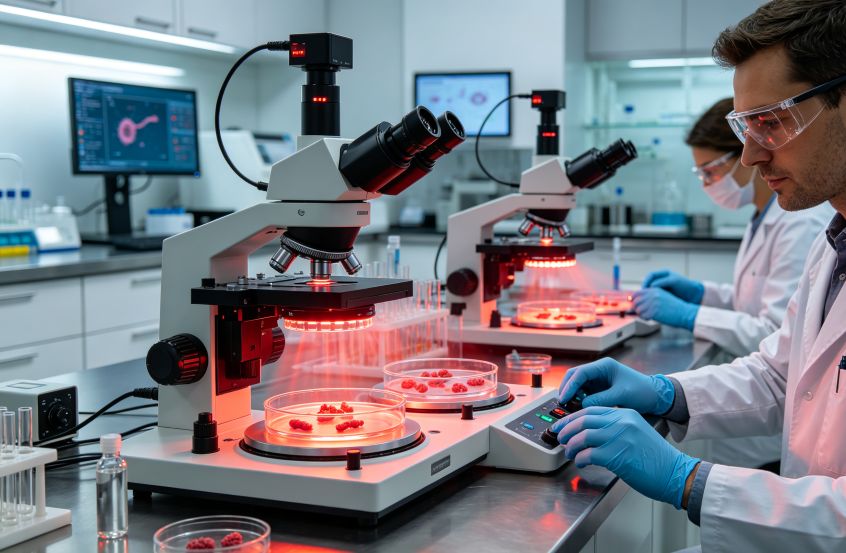
Understanding Photobiomodulation
Photobiomodulation refers to the use of low-intensity visible red and near-infrared light to stimulate biological responses within cells. Unlike lasers used for cutting or ablating tissue, PBM uses light levels that aim to encourage cellular activity without causing thermal damage.
Studies published by Nature Reviews and Photomedicine and Laser Surgery describe how light energy is believed to be absorbed by cellular components, particularly mitochondria. Research shows that one important molecule involved is cytochrome c oxidase, an enzyme that participates in energy production. Scientists propose that light absorption may improve cellular metabolism under certain conditions, although the exact mechanisms continue to be investigated.
Interest in PBM extends beyond a single medical specialty. Researchers are studying its possible applications in wound healing, pain management, neurological disorders, muscle recovery, oral health, and dermatology. Each area has its own level of supporting evidence, making careful interpretation essential.
Why Wavelengths Matter
One of the defining features of photobiomodulation research is the importance of wavelength selection. Different wavelengths penetrate tissue to different depths and interact with cells in unique ways.
Findings from Harvard Medical School researchers and the National Center for Biotechnology Information indicate that red light, typically between 620 and 700 nanometers, primarily affects superficial tissues such as skin. Near-infrared wavelengths, generally ranging from 780 to 1100 nanometers, can penetrate deeper into muscle and connective tissues, making them attractive for studies involving musculoskeletal conditions.
Scientists also recognize that wavelength alone does not determine outcomes. Other treatment variables include:
- Light intensity
- Energy delivered during each session
- Treatment duration
- Distance from the light source
- Frequency of repeated sessions
Research indicates that these factors work together, meaning identical wavelengths can produce different biological responses when treatment conditions change.
Current Laboratory and Clinical Evidence
The scientific literature surrounding photobiomodulation has grown rapidly. Thousands of published studies now examine cellular responses, animal models, and human clinical trials.
Reports from the World Association for Photobiomodulation Therapy and systematic reviews published in the Journal of Biophotonics suggest moderate evidence supporting PBM for certain conditions, particularly oral mucositis in cancer patients, temporary pain reduction, and aspects of wound healing. Some clinical guidelines have begun incorporating photobiomodulation where sufficient evidence exists.
Research also shows encouraging findings for muscle recovery after exercise. Studies published in the Journal of Athletic Training and the Lasers in Medical Science journal indicate that carefully timed light exposure may reduce muscle soreness and improve recovery markers in some athletes. However, results vary between studies because protocols differ considerably.
Dermatology represents another active area of investigation. Data indicates that red light may support collagen production and improve certain signs of skin aging. Even so, researchers caution that treatment responses differ among individuals, and larger randomized clinical trials remain necessary.
Where Scientists Continue to Investigate
Despite promising findings, photobiomodulation remains an evolving field. Experts note that many published studies involve relatively small participant groups or use different treatment methods, making direct comparisons difficult.
Researchers continue exploring several important questions:
- Which wavelength combinations produce the most consistent outcomes
- How treatment timing influences biological responses
- Which patient populations benefit most
- Optimal dosing for different medical conditions
- Long-term effectiveness across repeated treatment cycles
Studies published by the Cochrane Collaboration emphasize that while evidence supports certain uses, additional high-quality clinical trials are needed before broader medical recommendations can be made for many emerging applications. Researchers also continue examining how complementary environmental factors contribute to overall health outcomes. Maintaining healthy surroundings remains an important part of wellness, and the science of clean living spaces offers additional insight into how hygiene practices can support both health and daily performance alongside other evidence-based approaches.
Commercial Systems and Multi-Wavelength Design
As scientific knowledge advances, manufacturers have developed equipment that combines several wavelengths into a single treatment platform. Multi-wavelength systems are intended to reflect ongoing research suggesting that different portions of the light spectrum may influence tissues at varying depths.
Many commercial devices include combinations of visible red and near-infrared LEDs to provide broader coverage. Designers often base wavelength selections on published laboratory research involving cellular energy production, circulation, tissue repair, and inflammation pathways. However, experts from the U.S. Food and Drug Administration remind consumers that device clearance or registration does not necessarily mean every advertised health benefit has been clinically proven.
This distinction highlights an important principle in evidence-based medicine. Product design may reflect current scientific understanding, but each specific therapeutic claim requires direct clinical validation through carefully conducted research.
Balancing Established Knowledge with Future Discovery
Photobiomodulation represents one of the more rapidly developing areas of light-based medical research. Studies from respected scientific organizations continue to improve understanding of how red and near-infrared wavelengths interact with cellular structures, particularly the mitochondria responsible for energy production.
Established evidence supports several clinical applications, including certain aspects of wound healing, oral mucositis management, and temporary pain relief. At the same time, researchers continue evaluating broader uses involving neurological health, athletic recovery, skin rejuvenation, and chronic disease management.
As larger clinical trials become available, scientists will gain a clearer picture of which treatment protocols consistently deliver meaningful outcomes. Until then, photobiomodulation should be viewed as an active field of investigation where established findings coexist with promising scientific questions that remain under careful study.


