

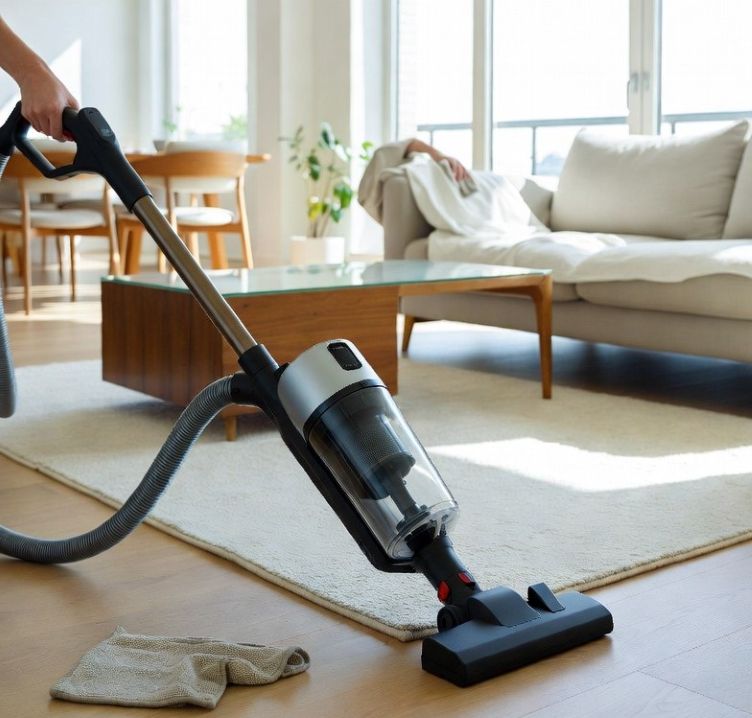
Studies reveal that homes and workplaces with higher cleanliness levels correlate with lower rates of illness and improved mental focus. Data indicates that dust, mold, and bacteria are more than mere annoyances; they are active contributors to respiratory issues, allergies, and even stress. By understanding the mechanisms behind contamination and adopting effective hygiene practices, individuals can significantly enhance their well-being and daily performance. Researchers also stress the importance of effective scientific communication to ensure that the public understands how environmental hygiene directly affects health outcomes.
Dust is a complex mixture containing skin cells, pollen, and microorganisms. Over time, it accumulates on surfaces, in carpets, and inside HVAC systems, creating an environment where bacteria and fungi can thrive. According to research published by the American Lung Association, prolonged exposure to indoor pollutants, including dust and mold, increases the risk of asthma and other respiratory conditions. Professionals, including those at a شركة تنظيف موثوقة في مكة المكرمة (a reliable cleaning company in Mecca), use advanced tools such as HEPA-filter vacuums, antimicrobial sprays, and specialized dust-removal techniques to maintain residential spaces, significantly reducing allergens and airborne pathogens.
How Microbes Affect Indoor Environments
Bacteria and fungi are omnipresent in homes, but their concentration rises in damp or poorly ventilated areas. Kitchens and bathrooms, for instance, often harbor higher levels of microbial activity due to moisture and food residues. According to the Centers for Disease Control and Prevention (CDC), common household bacteria such as Staphylococcus aureus can survive on surfaces for days, contributing to skin infections and gastrointestinal problems. Mold spores, meanwhile, can trigger allergic reactions and impair cognitive clarity, highlighting the critical link between indoor cleanliness and overall health.
Air Quality and Productivity
Indoor air quality is directly linked to mental performance. Research by Harvard T.H. Chan School of Public Health shows that higher levels of particulate matter in indoor air can reduce cognitive scores by up to 50% in certain tasks. Regular cleaning of surfaces, ventilation systems, and textiles helps remove these particulates, fostering a healthier, more focused living environment. Professionals trained in environmental hygiene employ methods beyond basic dusting, including air purifiers and targeted deep-cleaning routines, to optimize air quality and minimize health risks.
Practical Hygiene Habits
While professional cleaning services provide a foundation for healthy indoor spaces, daily habits also play a key role. Regular vacuuming, wiping high-touch surfaces, and promptly addressing spills and moisture buildup reduce microbial growth. Experts recommend washing bedding and towels weekly, maintaining kitchen cleanliness, and ensuring proper ventilation in bathrooms to prevent mold development. These habits, when combined with periodic professional deep cleaning, create a synergistic effect that supports both physical and mental health.
Choosing the Right Support
Even with disciplined home routines, some areas require specialized knowledge and equipment. Collaborating with professional cleaners not only ensures thorough sanitation but also teaches homeowners about maintaining an environment that minimizes allergens and bacterial risks. Reliable residential cleaning companies in Mecca and beyond utilize industry-grade products, high-efficiency filtration, and strategic cleaning schedules to enhance hygiene outcomes. By integrating professional services with personal habits, households can achieve sustained improvements in air quality, disease prevention, and daily productivity.
Conclusion
Clean living spaces are more than aesthetic, they are essential to health and mental clarity. Dust, mold, and bacteria quietly affect respiratory health, cognitive performance, and overall well-being. Research shows that consistent hygiene practices, supported by expert cleaning techniques, substantially reduce these risks. Whether through daily routines or employing specialized services, maintaining a clean environment empowers individuals to live healthier, more productive lives. By leveraging professional expertise and adopting mindful habits, households can create spaces that nurture both body and mind, ensuring that cleanliness becomes a foundation for long-term wellness.
Investing in a trustworthy cleaning service, like a reliable residential cleaning company in Mecca, complements everyday practices and guarantees a higher standard of hygiene, improved air quality, and a safer, more comfortable living space.


