

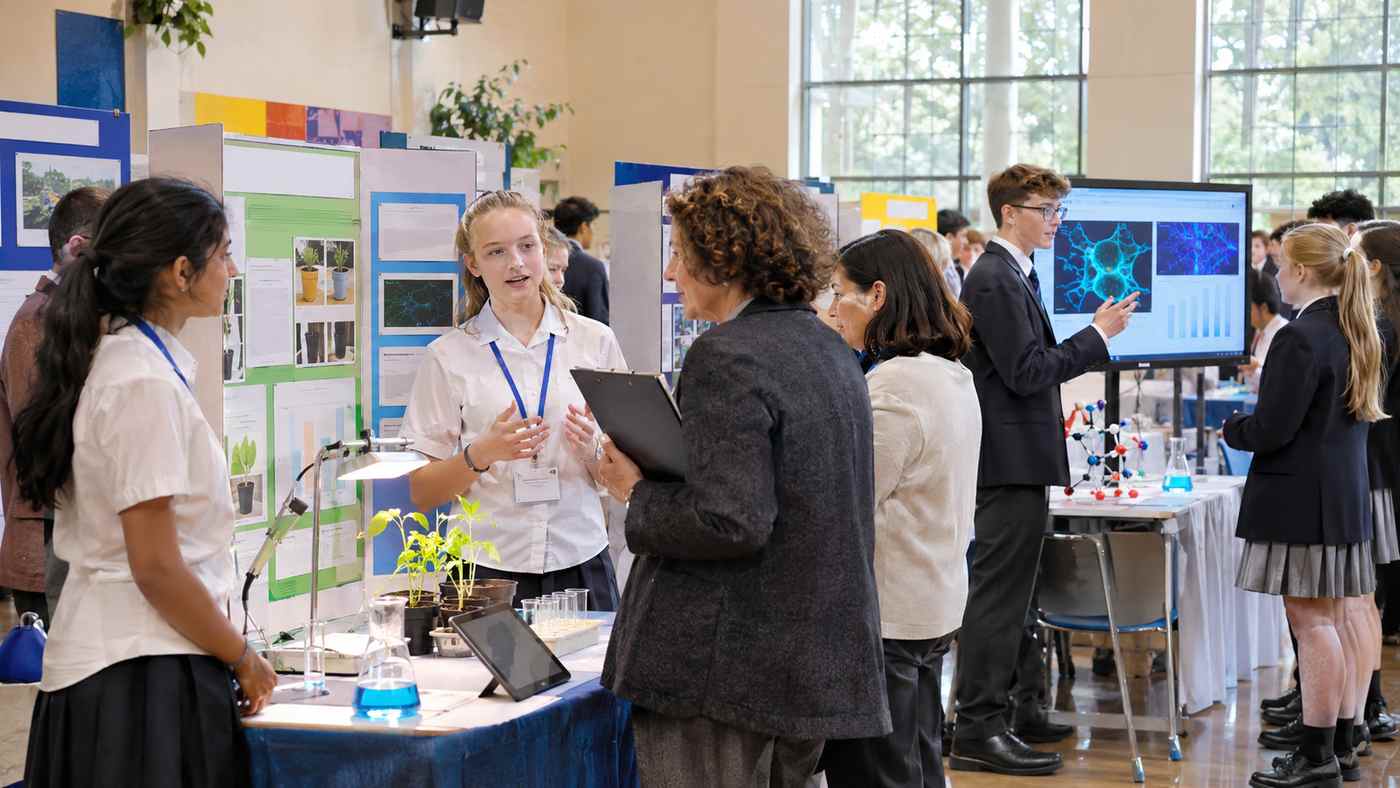
Science fairs give students opportunities to present research, explain experiments, and share discoveries with teachers, judges, and visitors. These events traditionally rely on printed presentation boards, posters, and banners. However, digital technology has introduced new ways to demonstrate scientific concepts. Screens, interactive presentations, and videos can make complex information easier to understand. This raises an important question: Which display format works better for science fair events?
Schools and event organizers sometimes explore customized signage services, including event banner printing NYC, when preparing large-format graphics for educational exhibitions. Printed materials can identify exhibition areas, introduce event themes, and provide directions. Digital displays offer alternatives for presenting research findings and demonstrations. Choosing between them requires balancing educational objectives, available budgets, and practical requirements.
Understanding Display Options for Science Fairs
Science fairs use visual displays to communicate research questions, experimental methods, observations, and conclusions. The format should help audiences understand the project without overwhelming them with information.
Traditional options include printed posters, retractable banners, presentation boards, and large-format graphics. These displays organize written explanations, photographs, charts, and diagrams into clearly defined sections.
Science Buddies, an educational organization supporting science projects, recommends organizing display boards so visitors can follow the research process logically. Its guidance also emphasizes readable fonts, clear titles, and appropriate visual materials.
Digital alternatives include monitors, tablets, interactive kiosks, and projection screens. Students may use these devices to demonstrate simulations, present research videos, or explain experimental results through animation.
Both approaches communicate scientific information, although they create different experiences for visitors.
Why Printed Banners Still Matter in Science Education
Printed displays remain useful because they are relatively simple to prepare, transport, and install. Most require no electricity or specialized technical knowledge.
For schools working with limited resources, printed presentation boards can provide an accessible way to showcase student research. Once completed, they allow judges to examine information independently and revisit specific findings during discussions.
Printed graphics also serve several purposes:
- Presenting research questions, methods, and conclusions.
- Displaying charts, diagrams, and experimental photographs.
- Identifying project categories and exhibition sections.
- Providing directions and general event information.
Another advantage is consistency. Printed information remains visible throughout the event, even when students are explaining their projects to other visitors.
However, printed graphics cannot easily accommodate last-minute corrections. Updating experimental data or replacing an incorrect chart may require additional printing.
Can Digital Displays Make Scientific Concepts Easier to Explain?
Digital technology becomes especially valuable when research involves movement, changing conditions, or processes that are difficult to illustrate with static images.
For example, a student investigating planetary motion could use an animation to demonstrate orbital relationships. Another studying robotics might present recorded footage of a prototype operating under different conditions.
Interactive displays can also encourage exploration. Visitors may select different variables in a simulation or compare experimental outcomes using visual controls.
Educational guidance from Science Buddies recognizes digital posters and presentations as possible formats for communicating science projects, subject to individual fair requirements.
Still, digital technology does not automatically improve an exhibition. Poorly organized slides, distracting animation, or technical difficulties can interfere with communication.
Students must also understand their research well enough to explain it without relying entirely on electronic presentations.
Comparing Costs, Accessibility, and Event Requirements
Which Option Is More Affordable?
Printed boards and banners involve material, design, and production expenses. Digital presentations may require computers, monitors, mounting equipment, and electricity.
Schools that already own suitable devices may reduce additional costs by reusing existing equipment. However, renting large screens or purchasing specialized interactive technology can increase exhibition expenses.
The more economical option therefore depends on available resources, event duration, and the number of participating students.
Space, Safety, and Technical Limitations
Display regulations deserve careful attention. Society for Science, which organizes the Regeneron International Science and Engineering Fair, establishes requirements covering exhibit dimensions, electrical equipment, and permitted materials.
Its rules also address digital presentations and require displayed materials to satisfy competition guidelines. Schools holding independent science fairs may establish different requirements.
Printed displays generally need adequate space and lighting. Digital systems introduce additional considerations, including power access, cable management, screen positioning, and equipment security.
What About Environmental Impact?
Printed banners consume physical materials, while digital screens require electricity and electronic components. Neither option is automatically environmentally preferable.
ENERGY STAR, a program administered by the U.S. Environmental Protection Agency, identifies energy-efficient commercial displays that can reduce electricity consumption compared with conventional alternatives.
Meanwhile, reusable printed signs can reduce repeated production. Evaluating durability, transportation, energy use, and disposal offers a more meaningful environmental comparison.
Where Printed and Digital Displays Work Better Together
A combined approach may provide the strongest educational experience when resources and competition rules permit.
For example, students conducting environmental research could use printed posters to explain their methods and conclusions. A nearby screen could display time-lapse footage showing changes in plant growth or weather conditions.
Robotics exhibitions might combine printed technical diagrams with video demonstrations. Astronomy projects could use physical charts alongside digital simulations of celestial movement.
Organizers can also use printed signs to identify research categories while reserving digital screens for announcements or educational presentations. Consistent colors, clear layouts, and well-positioned visuals can help visitors navigate the exhibition and understand its educational purpose.
These considerations relate to the principles of visual impact and audience engagement, which explore how event visuals influence attention, participation, and the overall visitor experience.
This arrangement allows visitors to examine essential information at their own pace while exploring demonstrations when appropriate.
Choosing Displays Based on Educational Objectives
The most effective display is one that makes scientific research understandable, accurate, and accessible.
Before selecting materials, students and organizers should consider the following questions:
- Does the research require animation or interactive demonstrations?
- Can visitors understand the project without electronic assistance?
- What equipment and materials are already available?
- Are there competition restrictions on display dimensions or technology?
- Can the presentation remain effective if technical problems occur?
Clear communication should remain the priority. A thoughtfully organized printed board can explain research more effectively than an elaborate screen presentation with confusing information.
Similarly, digital demonstrations may be justified when movement or interaction helps audiences understand a scientific process.
Conclusion
Printed banners and digital displays serve different purposes at science fair events. Printed materials offer simplicity, portability, and reliable access to research information. Digital technology provides opportunities for animation, interactive learning, and detailed demonstrations.
The best choice depends on educational goals, available resources, competition rules, and audience needs. As science fairs continue incorporating technology, organizers should prioritize clear scientific communication over display trends. Ultimately, the quality of the research and how effectively students explain their findings matter more than the technology used to present them.


